A Practical Guide for Business Owners Using AI
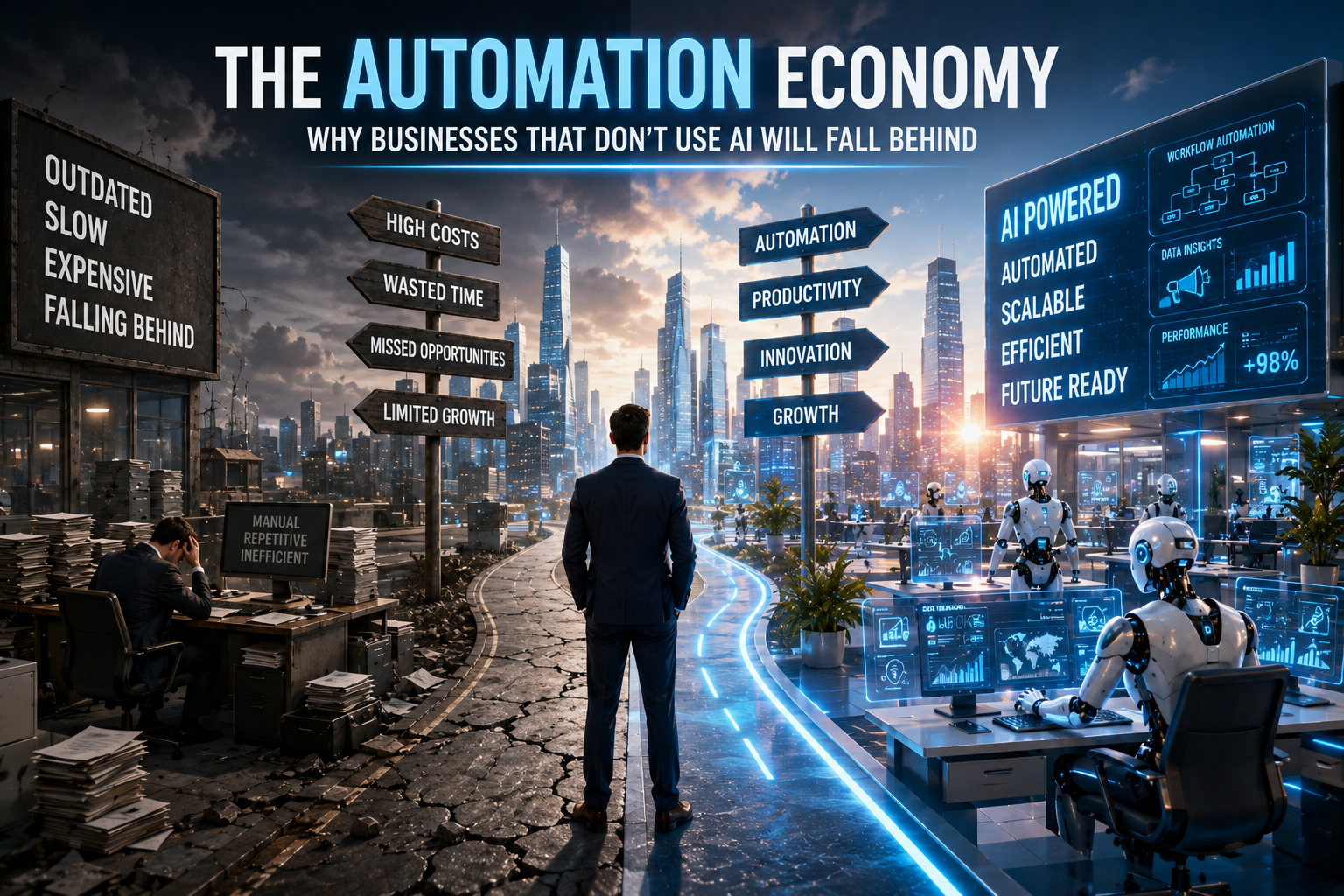
Artificial Intelligence is quickly becoming one of the most powerful tools available to entrepreneurs, freelancers, and businesses of all sizes. From writing blog articles and marketing emails to answering customer questions and generating research ideas, AI tools are transforming how work gets done.
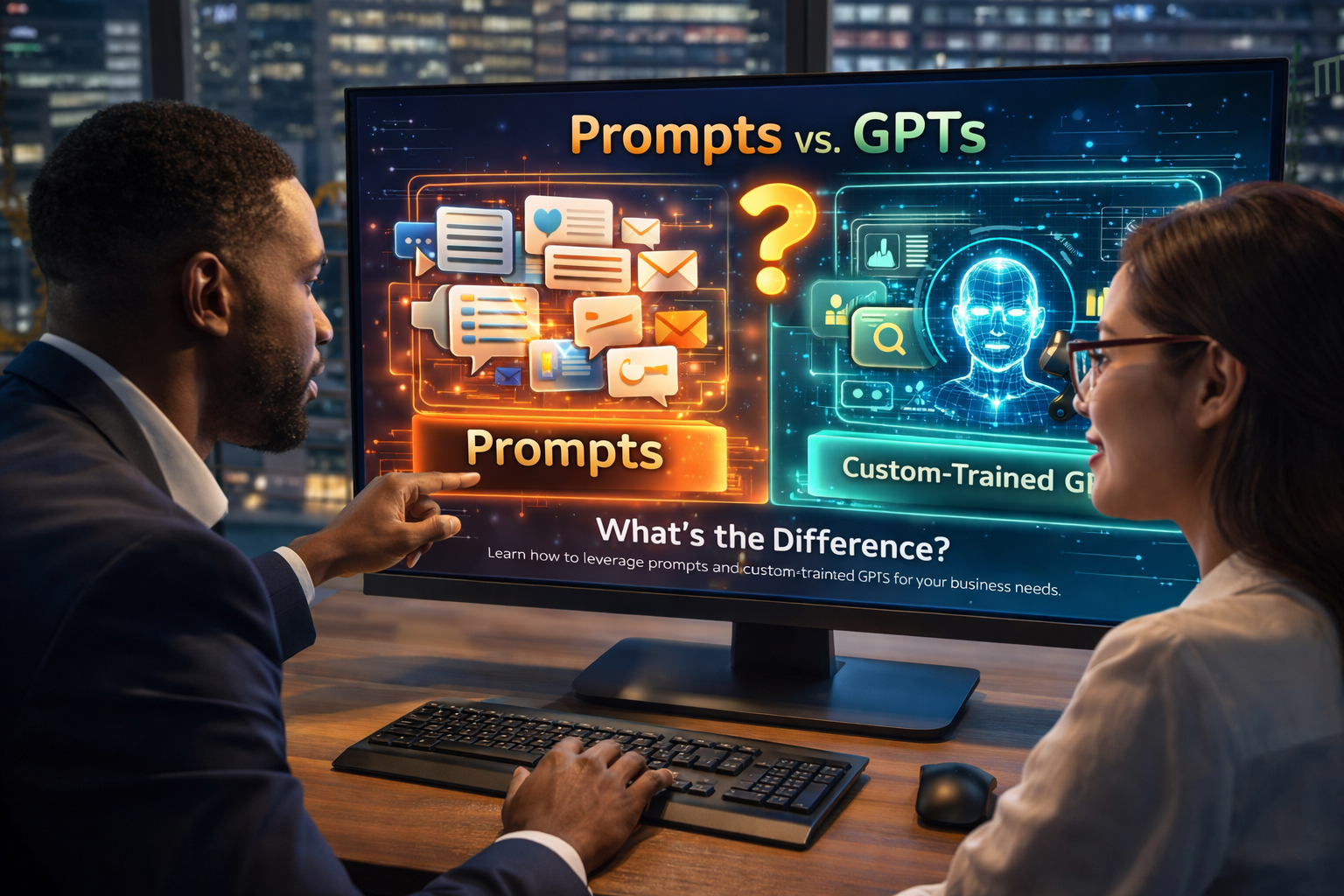
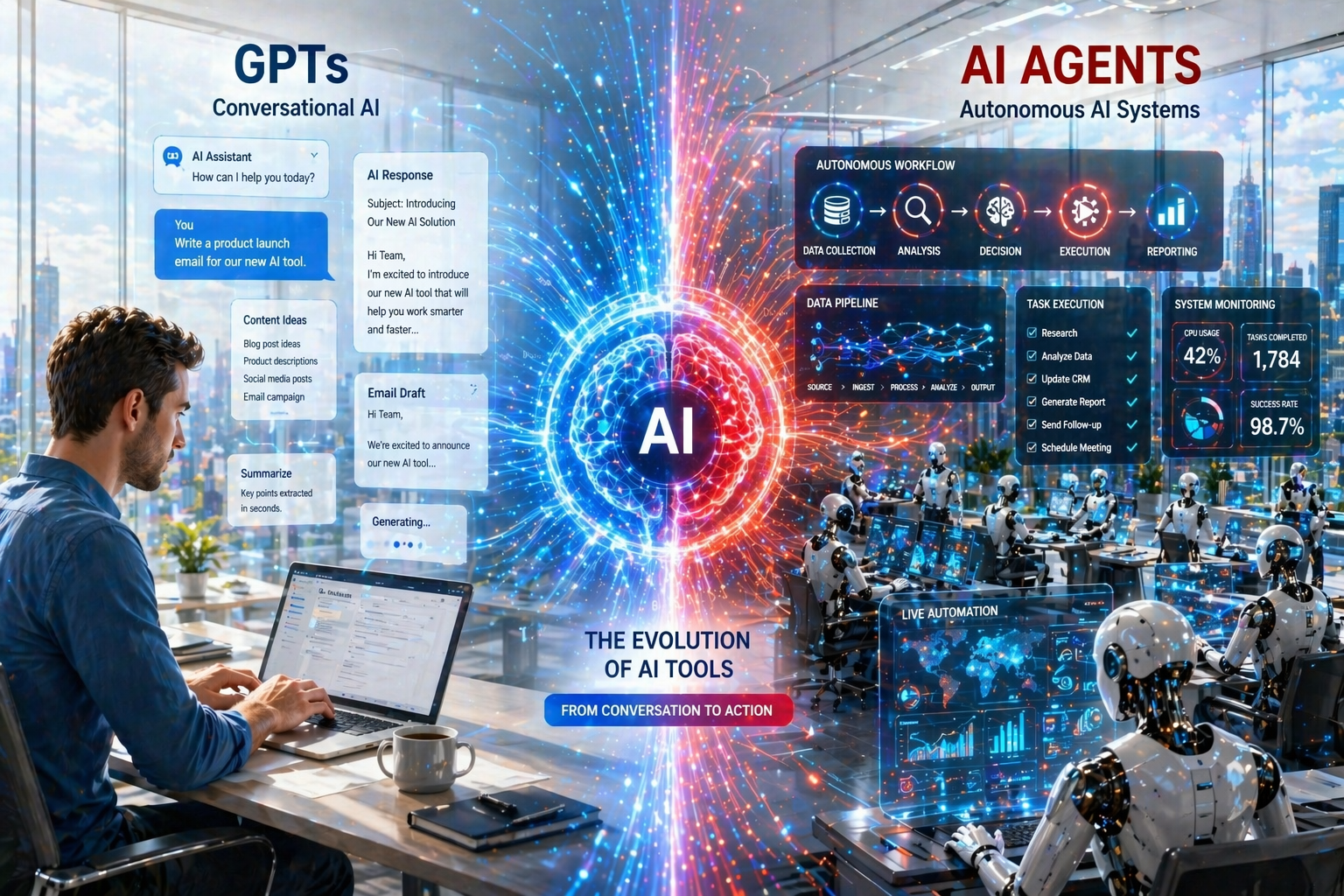
Two terms that often appear when discussing AI tools like ChatGPT are GPTs and prompts.
Many people assume these terms mean the same thing, but they are actually very different concepts. Understanding the difference between GPTs and prompts can help you use AI more effectively, produce better results, and save valuable time in your business.
If you want to use AI tools for content creation, marketing automation, productivity, and business growth, learning how GPTs and prompts work together is an essential first step.
What Is a GPT?
A GPT, which stands for Generative Pre-trained Transformer, is the artificial intelligence model that powers platforms like ChatGPT.
In simple terms, the GPT is the engine behind the AI system. It has been trained on massive amounts of text data so it can understand language, recognize patterns, and generate responses that sound natural and human-like.
Because of this training, GPT models can perform a wide variety of tasks such as:
- Writing blog articles
- Drafting marketing emails
- Generating product descriptions
- Answering customer support questions
- Creating business strategies
- Brainstorming content ideas
Inside ChatGPT, you can also create custom GPTs, which are specialized versions of the AI designed to perform specific roles.
For example:
- An SEO content GPT trained to write optimized blog posts
- A social media marketing GPT that creates captions and content calendars
- A customer support GPT that answers questions using your brand’s tone
- A business research GPT that summarizes information and generates insights
Think of GPTs like employees with specialized training. While the AI system is capable of many tasks, customizing it allows it to perform particular jobs faster and more accurately.
What Is a Prompt?
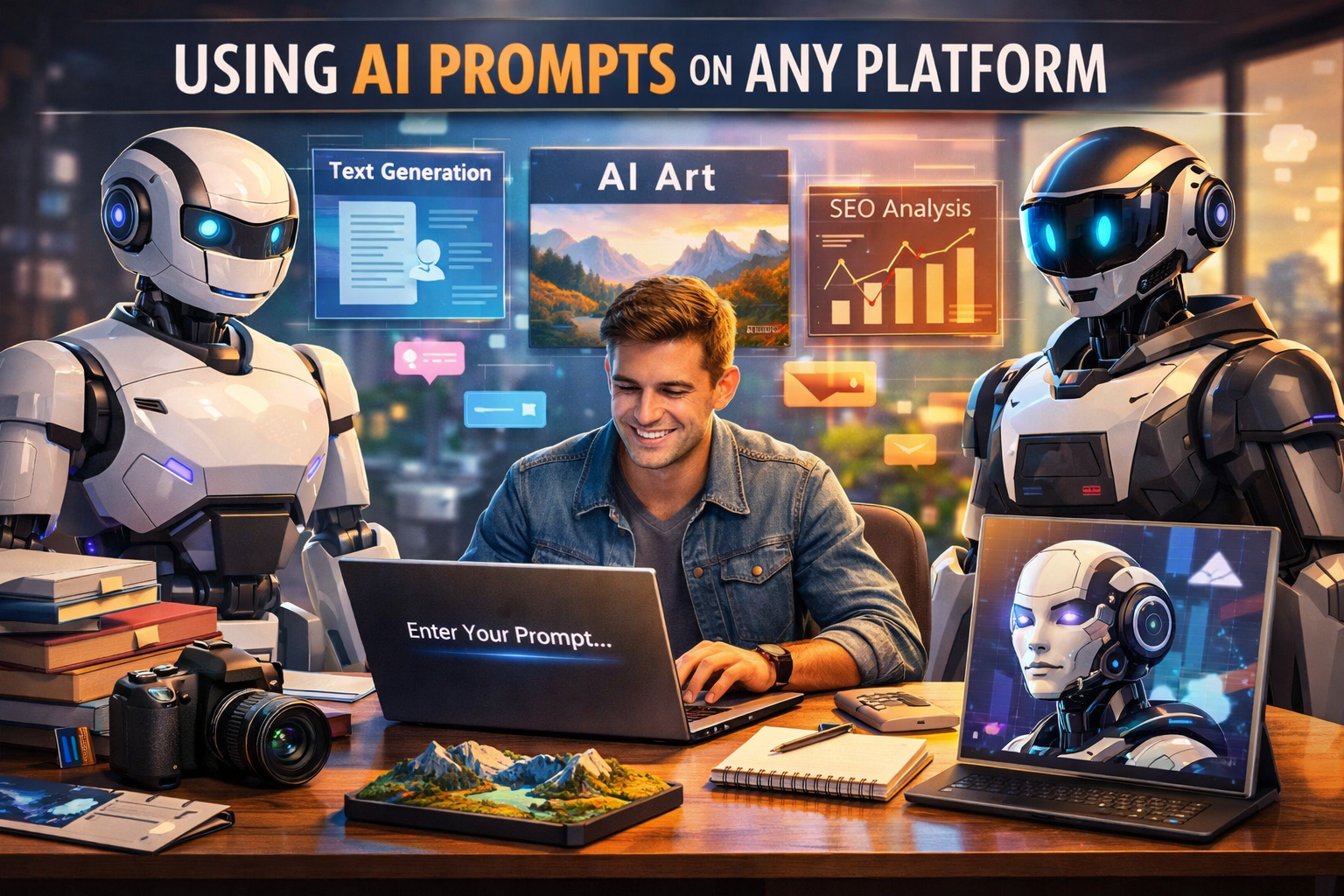
A prompt is the instruction or request you give to a GPT.
Prompts tell the AI what you want it to do. Without prompts, a GPT simply sits idle.
Prompts can be very simple.
Example:
Write a thank-you email for new customers.
Or they can be more detailed and structured.
Example:
Write a 500-word blog article about the benefits of solar energy. Use a friendly but professional tone, include three key benefits, and end with a call to action encouraging readers to learn more.
The more clear, specific, and structured a prompt is, the better the output will be.
A helpful analogy is this:
The GPT is the car, and the prompt is the driver telling it where to go.
Without clear directions, the car may not arrive at the destination you want.
How GPTs and Prompts Work Together
GPTs and prompts are not competing tools—they work together.
Even the most advanced GPT model cannot produce useful results without clear instructions. At the same time, a well-crafted prompt can dramatically improve the quality of the AI’s response.
Businesses typically improve their AI workflows in two ways:
- Building specialized GPTs designed for specific tasks
- Developing strong prompts that guide the AI toward better results
Many companies use a combination of both.
For example, a marketing agency might use:
- A marketing GPT designed to write advertising copy
- A library of tested prompts that generate landing pages, social media posts, and email campaigns
This combination allows teams to work faster while maintaining quality and consistency.
Benefits of Using GPTs in Business
Custom GPTs can deliver significant advantages for businesses that rely on content creation, communication, and marketing.
Some of the biggest benefits include:
1. Time Savings
AI can produce content in minutes that might take humans hours to write.
2. Consistency
GPTs can maintain a consistent tone and writing style across marketing materials, emails, and website content.
3. Scalability
Businesses can produce more content without increasing staff or workload.
4. Automation
Routine tasks like writing product descriptions, drafting emails, or creating outlines can be handled automatically.
For example:
- An e-commerce store might use a GPT to generate SEO product descriptions.
- A real estate agency might use a GPT to write property listings.
- A consulting firm might use a GPT to summarize research reports.
By delegating repetitive work to AI, business owners can focus on strategy, growth, and customer relationships.
Benefits of Writing Strong Prompts
While GPTs provide the intelligence, prompts determine the direction.
Strong prompts can dramatically improve the quality and usefulness of AI responses.
Businesses that master prompt writing gain several advantages:
Better Content Quality
Clear prompts produce detailed, relevant, and engaging results.
Faster Workflows
Reusable prompts allow teams to generate consistent content quickly.
Standardized Communication
Prompts can ensure messaging stays aligned with brand guidelines.
For example, a well-designed prompt might include:
- Word count
- Tone of voice
- formatting instructions
- SEO keywords
- target audience
These details guide the AI to produce content that requires minimal editing.
Common Challenges When Using GPTs and Prompts
Despite the benefits, businesses sometimes struggle when adopting AI tools.
Here are a few common challenges.
1. Over-Reliance on AI
AI should assist human creativity, not replace it entirely. Content still benefits from human editing and judgment.
2. Weak Prompts
Many people write vague prompts such as:
Write something about marketing.
This type of instruction often leads to generic results.
More detailed prompts produce far better outcomes.
3. Poor Customization
Building effective custom GPTs requires clear instructions and a good understanding of the tasks you want the AI to perform.
Without proper setup, the GPT may produce inconsistent results.
Safety and Best Practices
While AI tools like ChatGPT are designed with security in mind, businesses should still follow basic best practices.
Avoid entering sensitive information such as:
- Customer records
- passwords
- financial details
- private business data
AI works best when used for drafting, brainstorming, and generating ideas, while sensitive information remains protected.
Additionally, it is important to review AI-generated content before publishing it, especially in industries such as healthcare, finance, or legal services.
AI can occasionally produce text that appears accurate but contains mistakes. Human oversight ensures quality and reliability.
Real Results Businesses Can Expect
When GPTs and prompts are used effectively, businesses often experience significant improvements in productivity.
Common results include:
- Faster content creation
- More consistent marketing messages
- improved customer communication
- streamlined workflows
Companies can produce blog posts, marketing campaigns, and customer responses far more quickly than traditional methods allow.
For entrepreneurs and small businesses, this can level the playing field—allowing them to compete with larger organizations that have bigger teams and budgets.
Final Thoughts
The difference between GPTs and prompts is simple, but understanding it can dramatically improve how you use artificial intelligence in your business.
- GPTs are the AI systems that generate responses and perform tasks.
- Prompts are the instructions that guide the AI toward useful results.
Both are essential.
If you are new to AI, start by learning how to write clear and structured prompts. This alone can significantly improve the quality of the content you generate.
As your experience grows, consider building or using custom GPTs designed specifically for your business needs.
When GPTs and prompts work together effectively, they can save time, reduce costs, and unlock powerful new ways to grow your business.
Artificial Intelligence is not here to replace entrepreneurs. It is here to empower them with better tools.
And mastering the relationship between GPTs and prompts is one of the most valuable skills you can develop in the age of AI.


0 Comments